

Your Ultimate Home Water Repair Guide: Expert Advice on Home Water Damage Repair
- Julia Cordova

- Jan 26
- 3 min read
Water damage in your home can feel overwhelming. But don’t worry - I’m here to walk you through it. Whether it’s a burst pipe, a leaky roof, or flooding from a storm, knowing what to do can save you time, money, and stress. Let’s dive into this home water repair guide together and get your space back to normal.
Understanding the Basics of Home Water Repair Guide
Water damage isn’t just about wet walls or soggy carpets. It can affect your home’s structure, your belongings, and even your health. The first step is understanding the types of water damage:
Clean water damage: From a broken pipe or faucet. Usually safe but still needs quick attention.
Gray water damage: From appliances like washing machines or dishwashers. It may contain contaminants.
Black water damage: From sewage or floodwaters. This is hazardous and requires professional help.
Knowing the source helps you decide how to act. For example, clean water leaks can often be handled with DIY methods, but black water damage calls for experts.
Quick Tips to Start Your Home Water Repair
Turn off the water source immediately.
Remove any valuable or sensitive items from the affected area.
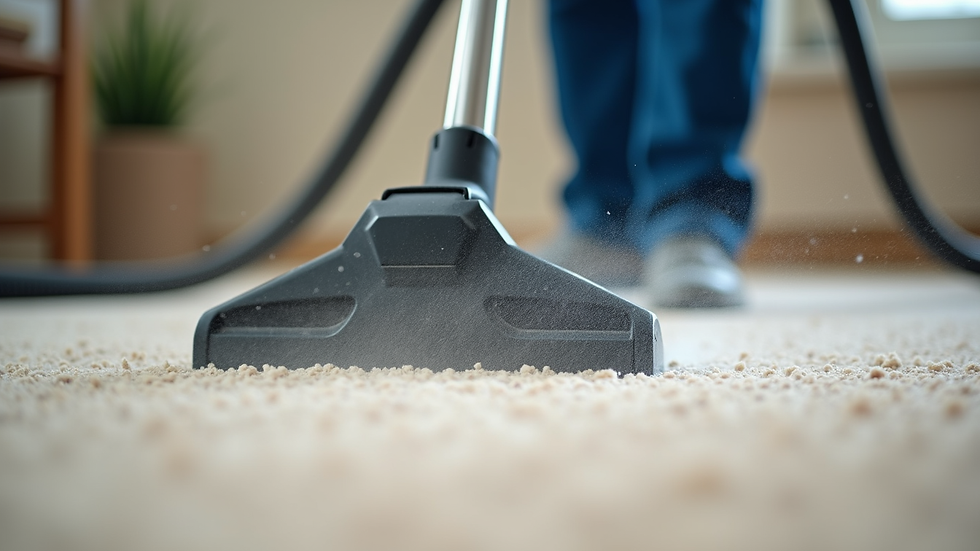
Use towels or a wet/dry vacuum to soak up standing water.
Open windows and use fans to dry the space.
These simple steps can prevent further damage and mold growth.

Step-by-Step Home Water Repair Guide: What You Can Do Now
Let’s break down the repair process into manageable steps. You don’t have to do everything at once, but following this guide will help you stay organized.
1. Assess the Damage
Walk through the affected area carefully. Look for:
Warped or discolored walls and floors
Peeling paint or wallpaper
Musty odors or visible mold
Soft spots in drywall or wood
Take photos for insurance claims and to track progress.
2. Dry Everything Thoroughly
Drying is crucial. Use:
Fans and dehumidifiers to circulate air
Open windows if weather permits
Remove wet carpets and padding if soaked
Remember, the faster you dry, the less chance mold has to grow.
3. Clean and Disinfect
After drying, clean surfaces with a mixture of water and mild detergent. For gray or black water damage, use a disinfectant to kill bacteria. Wear gloves and a mask for safety.
4. Repair or Replace Damaged Materials
Replace drywall that is soft or crumbling.
Sand and refinish hardwood floors if warped.
Patch or repaint walls after they are fully dry.
If you’re unsure about structural damage, call a professional.
5. Prevent Future Damage
Fix leaks promptly.
Clean gutters regularly.
Install a sump pump if your basement floods.
Consider water sensors for early alerts.
Taking these steps can protect your home long-term.

How much does it usually cost to fix water damage?
One of the biggest questions is cost. Water damage repair expenses vary widely depending on:
The extent of the damage
The type of water involved
The materials affected
Whether mold remediation is needed
Here’s a rough breakdown:
| Repair Type | Estimated Cost Range |
|----------------------------|----------------------------|
| Minor water cleanup | $500 - $1,500 |
| Drywall and flooring repair| $1,000 - $4,000 |
| Mold remediation | $500 - $6,000 |
| Major structural repairs | $5,000 - $15,000+ |
Keep in mind, these are estimates. Getting multiple quotes from trusted professionals is always a smart move.
When to Call in the Experts
Sometimes, DIY just isn’t enough. Here are signs you should call a pro:
Water damage covers a large area (more than 10 square feet)
Black water contamination is present
Mold growth is visible or suspected
Structural damage is obvious (sagging ceilings, cracked walls)
You have health concerns or allergies
Professionals have the right tools and experience to handle complex situations safely and thoroughly.
If you want peace of mind, consider contacting a local specialist who understands the unique challenges of homes in Marin, Sonoma, Solano, and San Francisco Counties. They can provide fast, reliable service when you need it most.
Protecting Your Home and Peace of Mind
Water damage can feel like a nightmare, but with the right knowledge and quick action, you can turn things around. Remember, the key is to act fast, dry thoroughly, and repair carefully. And if you ever feel stuck, don’t hesitate to reach out for help.
For anyone facing water damage, I recommend checking out home water damage repair services that specialize in emergency situations and comprehensive care. They’re ready to support you through every step.
Stay safe, stay dry, and keep your home cozy!
If you want to learn more about maintaining your home’s health or need tips on cleaning after water damage, keep following this space. I’ll be sharing more practical advice to help you protect your investment and enjoy your home to the fullest.


Comments